The prefabricated home industry has undergone remarkable development in recent years, and by 2026, these homes offer many attractive advantages.
In addition to their many traditional benefits, prefabricated homes now incorporate technological innovations and eco-friendly trends that make them an increasingly popular option for future homeowners.
In this article, we will explore the main advantages of prefabricated homes in 2026, highlighting recent innovations and green trends that make them even more attractive.
1. Speed of Construction
One of the most notable advantages of prefabricated homes is the speed of their construction.
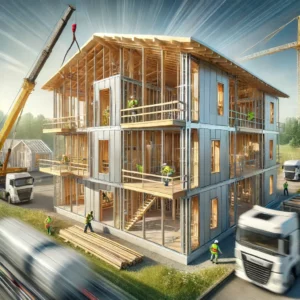
Unlike traditional homes, which can take months or even years to build, prefabricated homes can be assembled in just a few weeks.
This speed is due to the fact that the modules are manufactured in the factory and simply assembled on site, which considerably reduces delays and unforeseen events linked to weather conditions.
2. Reduced Cost

Prefabricated homes are generally less expensive to build than traditional homes.
Factory production allows for economies of scale, and reduced construction times lower labor costs.
Additionally, owners can avoid budget overruns common in conventional construction projects.
3. Quality Controlled
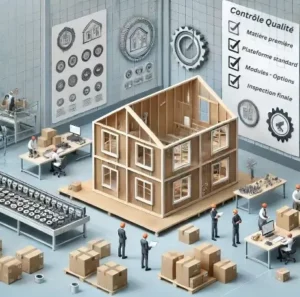
Factory manufacturing allows for rigorous quality control.
Prefabricated modules are built to strict standards, ensuring better construction quality and increased durability.
Factory inspections and testing ensure that every component meets the highest standards before being transported to site.
4. Design Flexibility
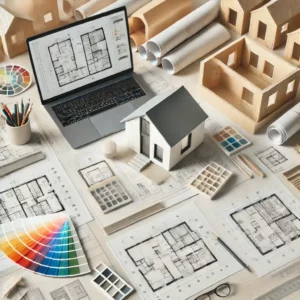
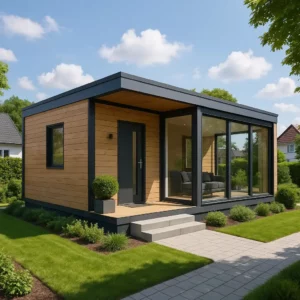
Contrary to popular belief, prefabricated houses offer great design flexibility.
Owners can choose from a wide range of models and configurations, and manufacturers often offer customization options to meet the specific needs of each customer.
Recent innovations in design also make it possible to create modern and aesthetically pleasing homes.
5. Technological Innovations
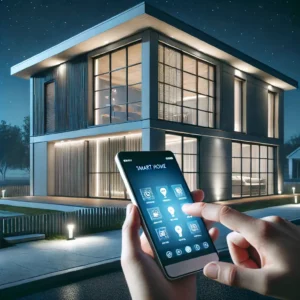
By 2026, prefabricated homes will benefit from numerous technological innovations. Integrated home automation systems will allow homeowners to remotely control their lighting, heating, and security.
Additionally, new manufacturing techniques, such as 3D printing, make it possible to create custom components and optimize the use of materials.
6. Sustainability and Ecology
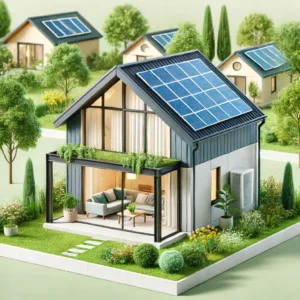
Prefabricated homes are increasingly recognized for their environmental benefits. Manufacturers use sustainable materials and construction techniques that reduce waste.
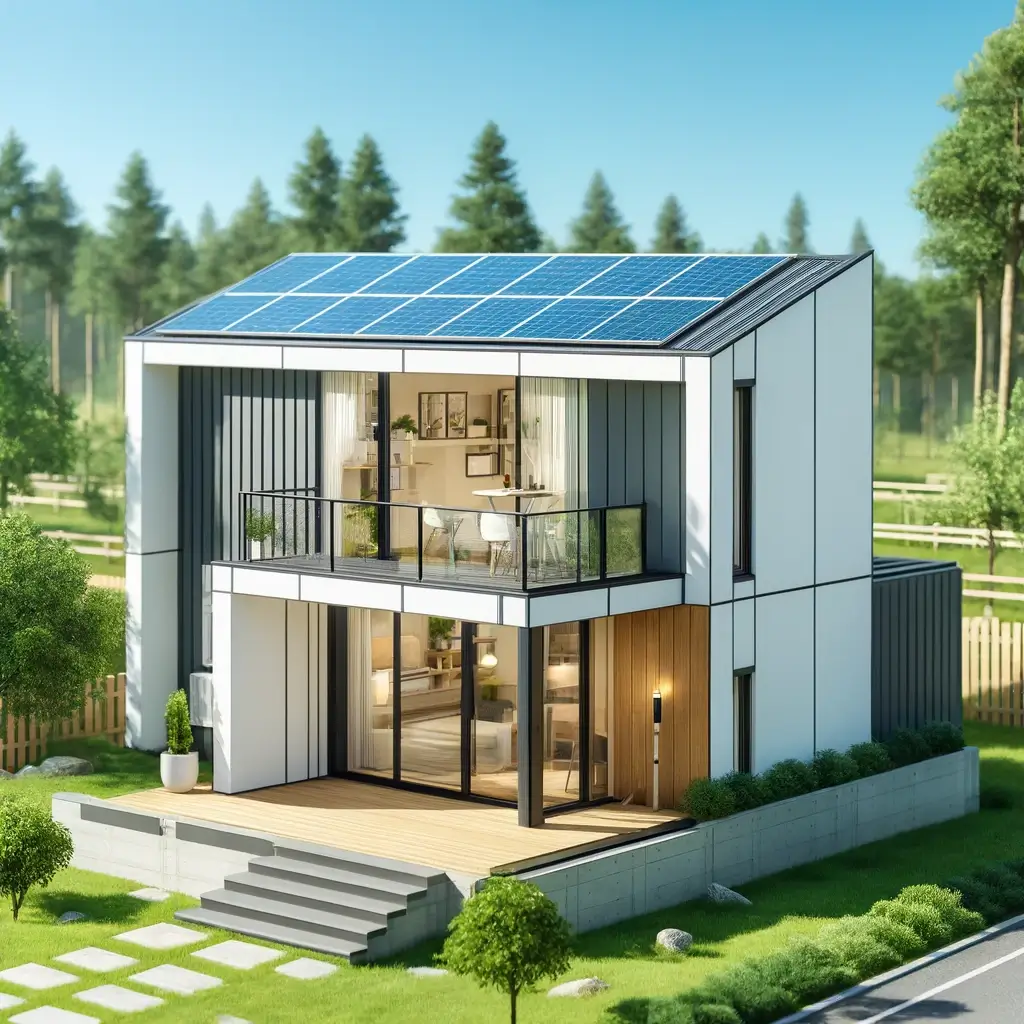
In addition, many prefabricated homes are designed to be energy efficient, with effective insulation, double-glazed windows, and energy-saving heating and cooling systems.
Some homes even incorporate renewable energy sources, such as solar panels.
7. Platform for Centralization and Comparison of Models
For future homeowners in Quebec, finding the ideal prefabricated home is now easier thanks to our Real Estate Collection platform.
Our tool centralizes all prefabricated home models and manufacturers available in Quebec, allowing users to compare options based on their needs and budget.
This platform simplifies the search process by providing an overview of the different offers and providing detailed information on each model.
To explore the available models and find the prefabricated house that suits you, visit our dedicated page: Click Here.
Conclusion
By 2026, prefabricated houses offer considerable advantages, both financially and in terms of sustainability.
Recent innovations and green trends further enhance their appeal, making prefabricated homes a preferred option for those seeking to build a modern, sustainable, and economical dwelling.
Thanks to our platform which centralizes all information on prefabs in Quebec, it is now easier than ever to find and compare prefabricated models, offering future owners transparent and centralized access to all available options.