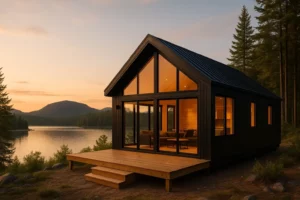
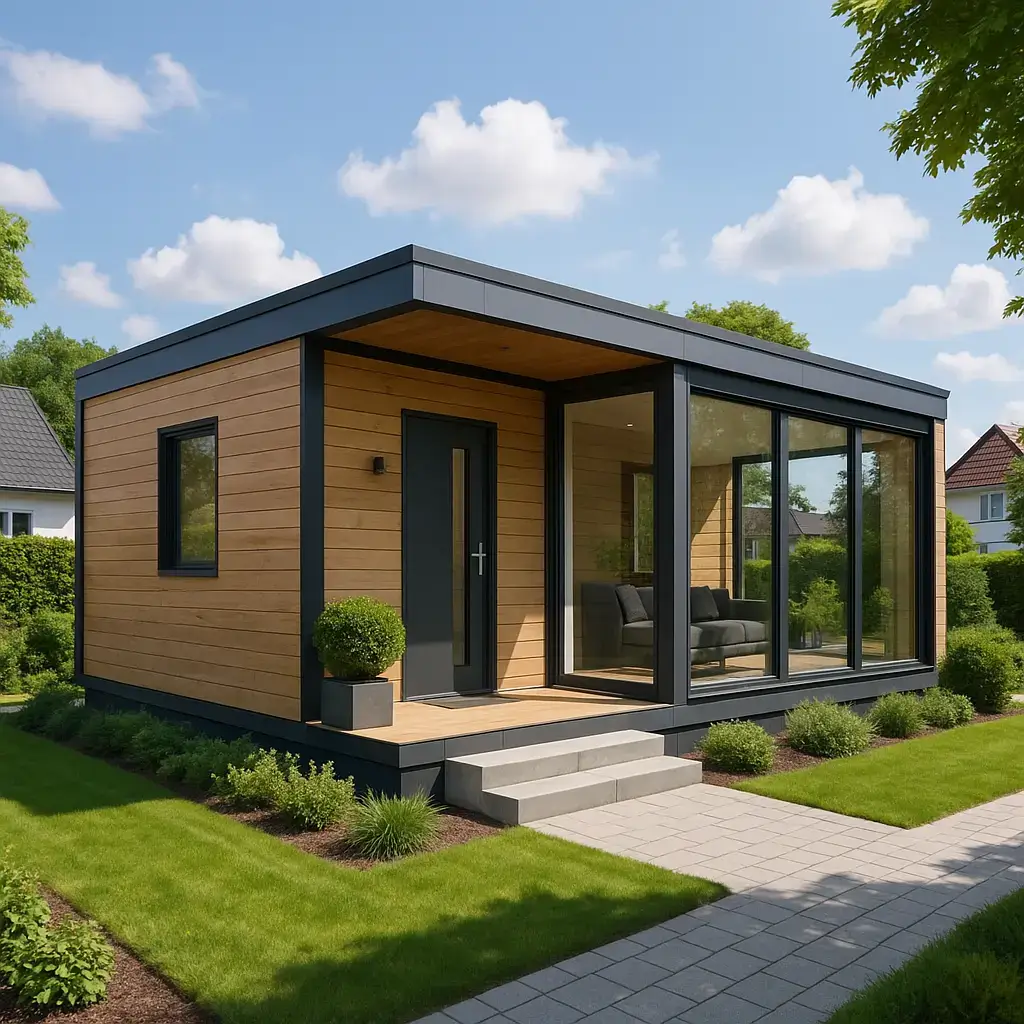
Modern prefabricated houses are gaining popularity. They offer an innovative alternative to traditional buildings.
Key points
Factory-made with rigorous quality control, prefabricated homes reduce construction time and costs while offering advanced customization. They are distinguished by their energy efficiency, low environmental impact, and excellent weather resistance. The modular process (design, manufacturing, transport, assembly, and finishing) optimizes the construction site and facilitates turnkey solutions. Despite some misconceptions, feedback highlights their durability, comfort, and homeowner satisfaction.
Summary
Modern prefabricated homes offer fast, economical, and high-quality construction thanks to controlled factory manufacturing. They are distinguished by extensive customization, high energy efficiency, and a reduced environmental impact. Robust and durable, they withstand harsh weather conditions and often offer turnkey solutions, simplifying every stage of the project.
These homes are factory-built. This ensures rigorous quality control and reduced construction times.
Prefabricated houses are often more economical. They allow for savings on labor and material costs.
They are also highly customizable. Buyers can choose from a variety of designs and finishes.
In addition to being aesthetically pleasing, these houses are environmentally friendly. They use sustainable materials and environmentally responsible construction techniques.
The speed of construction is another major advantage. A prefabricated house can be ready in just a few weeks.
These houses are also very durable. They are designed to withstand harsh weather and natural disasters.
Finally, they offer a turnkey solution. This greatly simplifies the process for future homeowners.
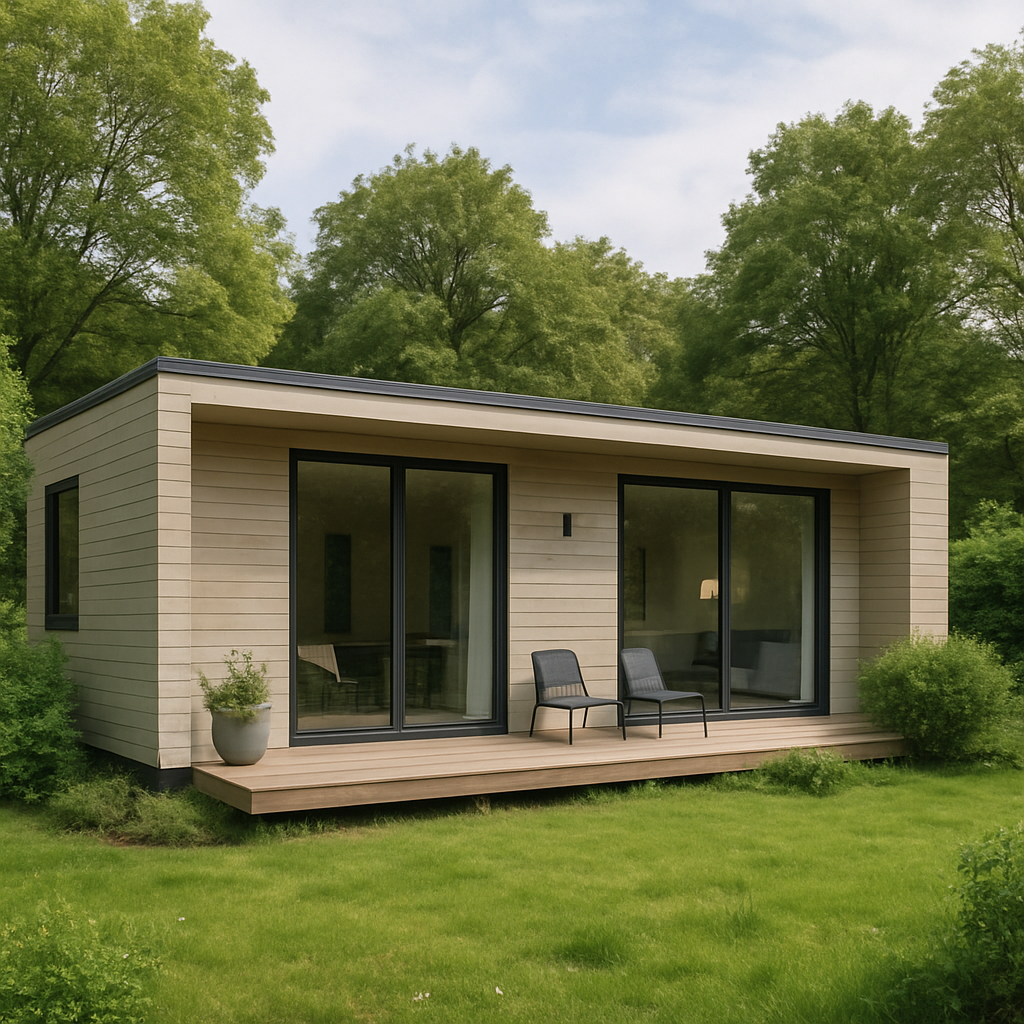
What is a prefabricated house? Definition and basic principles
Prefabricated houses are made up of modules built in a factory. These modules are then transported to the final site for assembly. This allows for a more controlled and efficient process.
Unlike traditional construction methods, factory manufacturing reduces errors. This results in homes of consistent quality and increased durability.
Main advantages of prefabricated houses:
- Speed of construction
- Cost reduction
- Quality controlled
- Personalization
- Enhanced Ecology
This method also optimizes resources. Less construction waste is produced, making the process more environmentally friendly.
In terms of design, prefabricated homes offer impressive flexibility. This allows buyers to select a style that matches their tastes and needs.
Finally, these houses can be installed in hard-to-reach areas. They are therefore ideal for remote or complex sites.

The process of building a modern prefabricated house
The construction of a prefabricated house begins with the design of the plans. These plans are created to meet the client's needs and desires. Once the design is approved, the manufacturing of the modules begins in the factory.
Factory production allows for strict quality control. The modules are created simultaneously, thus optimizing production time. This also reduces the impact of inclement weather on the construction site.
Once the modules are ready, they are transported to the construction site. Transport is planned to minimize delays and logistical costs. Each module is carefully positioned for efficient assembly.
On-site installation is quick and organized. The modules are assembled and connected to existing infrastructure, including electrical and plumbing systems.
Key steps in the construction process:
- Custom floor plan design
- Factory manufacturing of modules
- Transport of modules to site
- Assembly and connection of infrastructures
- Interior and exterior finishes
Interior and exterior finishing follows assembly. This includes painting, flooring, and other aesthetic details. The result is a move-in ready home, often delivered in just a few weeks.
 by Ksenia Obukhova (https://unsplash.com/@fez_wee)
The main advantages of prefabricated houses
Prefabricated homes have many advantages to offer. One of the major benefits is their speed of construction. You can have your home ready in just a few weeks.
Another advantage lies in their construction cost. Generally, these houses are more economical than traditional constructions. This is due to the optimization of resources and the reduction of construction time.
Modern prefabricated homes offer a high degree of customization. You can choose from a variety of designs and finishes, allowing you to create a truly unique space that reflects your personality.
In terms of sustainability, these houses are often well ahead of the curve. They frequently use recycled or sustainable materials, which reduces their environmental impact.
Prefabricated homes are also energy efficient. They often incorporate advanced insulation technologies. This means lower energy bills for homeowners.
Environmental benefits:
- Use of recyclable materials
- Reduction of construction waste
- Integration of green technologies
These homes also offer excellent weather resistance. They are designed to withstand various climates. Some can even withstand earthquakes.
Finally, they often provide a turnkey solution. This reduces the stress and complexity of buying a new home. Homeowners can move quickly into a ready-to-live-in space.
Practical advantages:
- Speed of construction
- Controlled cost
- Turnkey solution
In short, choosing a prefabricated house allows you to combine affordability, efficiency, and flexibility. These modern homes are increasingly appealing to prospective homeowners. They represent a modern alternative to traditional construction.
 by Kix Chains (https://unsplash.com/@kixchainss)
Speed and efficiency: an optimized construction site
Prefabricated homes are synonymous with speed and efficiency. Unlike traditional construction, assembly is greatly simplified. The modules are produced in a factory before being transported to the site.
This process significantly reduces construction time. Generally, building a prefabricated house takes only a few weeks. This also reduces the time spent monitoring the construction site.
Factory production allows for rigorous quality control. Each part is inspected before leaving the factory. This ensures consistent quality and minimizes errors.
Key elements of effectiveness:
- Quick assembly
- Factory production
- Fewer delays
Furthermore, this type of construction is less prone to unforeseen events. Weather conditions have less of an impact on the construction site. This allows for more precise and reliable planning.
 by Jose Manuel Esp (https://unsplash.com/@jmespiga)
Construction cost: an economical and controlled solution
Prefabricated homes offer significant savings. total cost is often lower than that of a traditional construction. This is explained by more efficient management of resources and time.
In a factory, materials are used optimally. Waste is reduced, which lowers expenses. Furthermore, purchasing materials in bulk allows for cost reductions.
The savings don't stop there. Faster construction reduces labor costs. Fewer working days translate into lower costs.
Financial advantages:
- Reduced material costs
- Less labor
- Less waste
Finally, a prefabricated house can also be an excellent solution in regions where traditional construction is expensive. Costs related to unforeseen construction issues are virtually eliminated.
 by Nikola Johnny Mirkovic (https://unsplash.com/@thejohnnyme)
Personalization and design: the modern home that reflects your style
Modern prefabricated homes offer impressive customization. Buyers are no longer limited by standard models. They can choose designs that reflect their personal style.
The choice of materials, colors, and finishes is vast. This allows you to create a home that stands out. Prefabricated homes are no longer synonymous with monotony.
Architects often work closely with clients. This collaboration ensures the seamless integration of all desired elements, resulting in a unique and personalized home.
Customization options:
- Interior and exterior design
- Selection of materials and finishes
- Space planning
Finally, technological innovations make personalization even easier. 3D modeling tools help visualize the project before construction. This ensures that the final house perfectly meets the client's expectations.
 by Ashin K Suresh (https://unsplash.com/@ashin_k_suresh)
Energy efficiency and respect for the environment
Modern prefabricated homes excel in energy efficiency. Thanks to their optimized design, they consume less energy, resulting in significant savings on utility bills.
The materials used are often environmentally friendly. This includes recyclable options or those with a low carbon footprint. These choices respect the environment while ensuring durability.
Thermal insulation is also a major advantage. Using advanced techniques, these houses maintain a comfortable indoor temperature, reducing the need for heating or air conditioning.
Ecological characteristics of prefabricated houses:
- High-performance insulation
- Recycled or recyclable materials
- Integration of green technologies such as solar panels
For environmentally conscious buyers, these homes represent a wise choice. In addition to being aesthetically pleasing and modern, they are a step towards a sustainable future. Therefore, choosing a prefabricated home means contributing to the well-being of our planet.
 by IRa Kang (https://unsplash.com/@lifeinkorea)
Durability, resistance and easy maintenance
Modern prefabricated homes are built to last. They use robust materials, ensuring a long lifespan. This durability is ideal for buyers seeking a sound investment.
These houses are highly weather-resistant. Thanks to advanced engineering, they can withstand wind and rain. Their structural strength is often superior to that of traditional houses.
When it comes to maintenance, homeowners have it made easier. Modern materials require less upkeep, reducing hassles and costs in the long run.
Advantages in terms of durability and maintenance:
- Durable and resistant materials
- Less maintenance required
- Effective protection against the elements
By choosing a prefabricated house, you ensure a reliable and durable home. The comfort of knowing that maintenance will be minimal is a major advantage.
 by Snapmaker 3D Printer (https://unsplash.com/@snapmaker_official)
Prefabricated houses: a turnkey solution
Choosing a prefabricated home means choosing simplicity. These homes offer a complete solution for homeowners. From the moment of purchase, every step is designed with you in mind.
Everything is included, from design to completion. The plans, construction, and installation are all centralized. The new owners simply have to move in.
This simplified process is perfect for those seeking peace of mind. It reduces project stress and delays. With a prefabricated home, everything is planned from the start.
Characteristics of turnkey prefabricated houses:
- Integrated design
- Optimized construction
- Simplified installation
 by Zhu Hongzhi (https://unsplash.com/@zhuzhutrain)
The limitations and misconceptions about prefabricated houses
Prefabricated houses sometimes give rise to misconceptions. Many believe they lack durability. However, they are designed to withstand the elements.
Others believe they lack charm compared to traditional houses. This perception is mistaken. Modern designs offer a refined and customizable aesthetic.
It is also incorrect to say that they are not suitable for different climates. Thanks to advanced materials, they can be adapted to all kinds of environments.
Common misconceptions:
- Lack of durability
- Unattractive design
- Incompatibility with certain climates
Examples and testimonials: feedback from homeowners
Testimonials from owners of prefabricated homes are often positive. Many appreciate the speed of construction. Others praise the quality of the materials used.
One homeowner described their house as surprisingly quiet. They were impressed by its energy efficiency. Another family mentioned the customization options, which allowed them to create a unique space.
These testimonials confirm the numerous advantages of this type of construction. Prefabricated houses are gaining popularity thanks to their flexibility and durability.
Key testimonials:
- Speed of construction
- Effective sound insulation
- Successful customization
 by Europeana (https://unsplash.com/@europeana)
How to choose your prefabricated house? Practical advice
Choosing a prefabricated home can seem daunting. However, a few simple steps can make the process easier. Defining your needs before you begin is crucial.
Consider the location and surrounding environment of the land. Ensure that the chosen model is suitable. Also, think about the necessary infrastructure, such as water and electricity.
It's also important to consider your budget. Compare different manufacturers before making a decision. Make sure they offer good after-sales service.
Practical tips for making the right choice:
- Defining your needs
- Consider the location
- Compare manufacturers
 by A. Rahmat MN (https://unsplash.com/@alir4hmatmn)
Conclusion: Why opt for a modern prefabricated house?
Choosing a modern prefabricated home offers numerous advantages. By combining speed of construction, cost savings, and customization, these homes meet today's needs. Furthermore, they integrate perfectly into an environmentally friendly living environment.
These homes also offer a turnkey solution for many future homeowners. By providing sustainable and innovative options, they represent an attractive alternative to traditional construction. Investing in a modern prefabricated home means choosing quality housing adapted to our evolving lifestyles.